Commercial Roofing Systems: Which Option Is Best for Your Building?
Selecting the right Commercial Roofing Systems is one of the most important decisions a commercial property owner can make. Your roof protects employees, inventory, equipment, tenants, and the structural integrity of your building every day. Yet with so many roofing materials available, choosing the right system isn’t always straightforward.
Some roofing systems prioritize energy efficiency, while others focus on durability or long-term waterproofing. The best solution depends on your building’s design, climate, maintenance expectations, rooftop activity, and budget. Rather than asking, “Which roof is the best?” a better question is, “Which roofing system is the best fit for my property?”
This guide objectively compares two of today’s most common commercial roofing categories: single-ply membrane systems and multi-layer asphalt-based systems. Understanding the strengths and limitations of each can help you make a confident long-term investment.
Modern commercial buildings typically use low-slope or flat roofing systems designed to provide reliable waterproofing while supporting rooftop equipment such as HVAC units, solar panels, and ventilation systems.
Although dozens of roofing products exist, they generally fall into two primary categories:
Option B: Built-Up Roofing (BUR) and Modified Bitumen
Both systems have earned their place in commercial construction. Neither is universally superior. Instead, each performs best under specific building conditions and maintenance expectations.
Comparison Category
Single-Ply Membranes
BUR / Modified Bitumen
Primary Materials
TPO, PVC, EPDM
Built-Up Roofing, SBS & APP Modified Bitumen
Construction Method
Single waterproof membrane
Multiple reinforced asphalt layers
Installation Time
Typically faster
More labor intensive
Weight
Lightweight
Heavier roofing assembly
Ideal For
Energy efficiency and modern commercial buildings
Maximum durability and high-traffic rooftops
Option A: Single-Ply Roofing Systems
Single-ply membranes have become one of the fastest-growing commercial roofing solutions across the United States. Their combination of lightweight construction, reliable waterproofing, and relatively quick installation makes them a popular choice for office buildings, retail centers, warehouses, schools, healthcare facilities, and industrial properties.
Rather than relying on multiple roofing layers, these systems use a durable waterproof membrane installed across the roof deck. Depending on the building, the membrane may be mechanically fastened, fully adhered, or attached using specialized fastening systems.
TPO Roofing
Thermoplastic Polyolefin (TPO) remains one of today’s most widely installed commercial roofing materials. Building owners often choose TPO because its reflective white surface can help reduce rooftop temperatures during hot summer months, potentially lowering cooling costs.
Another major advantage is its heat-welded seams. Instead of relying entirely on adhesives, adjacent sheets are fused together, creating strong waterproof joints when installed correctly.
PVC Roofing
PVC roofing shares many similarities with TPO but is often selected for facilities exposed to grease, chemicals, or industrial contaminants. Restaurants, food processing facilities, laboratories, and manufacturing buildings frequently benefit from PVC’s chemical resistance.
Although PVC generally costs more than TPO, many building owners consider the additional investment worthwhile for specialized commercial environments.
EPDM Roofing
EPDM is a durable synthetic rubber membrane recognized for its flexibility and long service life. It performs particularly well in climates experiencing significant seasonal temperature fluctuations because the material naturally expands and contracts with changing weather conditions.
Unlike TPO and PVC, EPDM typically uses seam tape or adhesives rather than heat-welded joints, making installation quality especially important.
Advantages of Single-Ply Roofing
Excellent energy-efficient reflective options.
Lightweight roofing assembly.
Faster installation for many commercial projects.
Compatible with modern insulation systems.
Simplified future repairs in many situations.
Potential Limitations
Can be vulnerable to punctures from heavy rooftop traffic.
Different membrane types perform better in different environments.
🏆 Winner Highlight
Choose Single-Ply Roofing if your priorities include:
Lower structural weight
Improved energy efficiency
Faster installation schedules
Modern office or retail buildings
Reflective “cool roof” performance
Option B: Built-Up Roofing and Modified Bitumen
While single-ply membranes continue growing in popularity, traditional asphalt-based roofing systems remain an outstanding choice for many commercial properties. Built-Up Roofing (BUR) and Modified Bitumen have protected commercial buildings for decades and continue to earn the trust of architects, facility managers, and roofing professionals because of their exceptional durability.
Instead of relying on one waterproof membrane, these systems build protection through multiple reinforced layers. This creates a thicker roofing assembly capable of handling demanding environments where frequent rooftop maintenance, equipment servicing, or heavy foot traffic is expected.
For many industrial facilities, manufacturing buildings, hospitals, and schools, that additional durability can be a significant long-term advantage.
Built-Up Roofing (BUR)
Built-Up Roofing has been a trusted commercial roofing solution for more than a century. It consists of multiple layers of reinforcing fabric and asphalt that work together to create a thick, highly durable waterproof barrier. A protective top surface—typically gravel, mineral granules, or a reflective coating—helps shield the roof from UV exposure and weather.
One of BUR’s greatest strengths is redundancy. Because several waterproofing layers are installed, minor surface damage is less likely to result in an immediate leak. This layered design makes BUR particularly attractive for buildings where long-term durability is a higher priority than installation speed.
Modified Bitumen Roofing
Modified Bitumen builds upon traditional asphalt roofing by incorporating polymer modifiers that improve flexibility, weather resistance, and performance. These systems are available in several installation methods, including self-adhered, cold-applied, torch-applied (where permitted), and hot asphalt applications.
Many commercial property owners appreciate Modified Bitumen because it offers a balance between the proven reliability of asphalt roofing and the enhanced flexibility needed for modern buildings.
Advantages of BUR & Modified Bitumen
Exceptional puncture resistance.
Excellent durability for high-traffic rooftops.
Multiple waterproofing layers increase system redundancy.
Reliable long-term performance when properly maintained.
Well suited for facilities with frequent rooftop equipment servicing.
Potential Limitations
Longer installation schedules.
Heavier roofing assembly.
May require additional reflective coatings for maximum energy efficiency.
Installation methods can be more labor-intensive.
🏆 Winner Highlight
Choose BUR or Modified Bitumen if your building requires:
Shinnoki kitchen cabinets combine the natural beauty of real wood veneer with the consistency and convenience of modern manufacturing. This guide explores their unique features, advantages, design possibilities, and why they’re an excellent choice for homeowners seeking stylish, durable, and low-maintenance cabinetry.
Side-by-Side Comparison
Now that we’ve explored both roofing categories individually, comparing them across the factors that matter most makes the decision much easier. The table below highlights how each system performs in real-world commercial applications.
Evaluation Factor
Single-Ply
BUR / Modified Bitumen
Best Choice
Installation Speed
★★★★★
★★★☆☆
Single-Ply
Energy Efficiency
★★★★★
★★★★☆
Single-Ply
Puncture Resistance
★★★☆☆
★★★★★
BUR / Modified
Heavy Rooftop Traffic
★★★☆☆
★★★★★
BUR / Modified
Structural Weight
★★★★★
★★★☆☆
Single-Ply
Long-Term Durability
★★★★☆
★★★★★
BUR / Modified
Choosing the Right Roofing System for Long-Term Performance
There isn’t a single commercial roof that outperforms every other option in every situation. The best roofing system is the one that aligns with your building’s structure, daily operations, maintenance expectations, and long-term ownership goals.
If energy efficiency, installation speed, and reduced structural weight are your highest priorities, single-ply systems such as TPO, PVC, or EPDM are often the better investment. Their reflective surfaces, flexible installation methods, and modern performance characteristics make them ideal for many office buildings, retail centers, and warehouses.
On the other hand, if your facility experiences frequent rooftop traffic, houses large mechanical systems, or demands maximum puncture resistance, Built-Up Roofing or Modified Bitumen may deliver greater long-term value despite a longer installation process.
Before selecting among today’s roofing systems for commercial properties, schedule a professional roof evaluation. A qualified commercial roofing contractor will assess drainage, insulation, flashing, roof penetrations, structural capacity, and the condition of your existing roofing system before recommending the most appropriate solution.
Overall Winner
There is no universal winner.
The best commercial roofing system is the one that matches your property’s unique requirements—not simply the lowest price or the newest material. Investing in the right system today helps reduce future maintenance costs, minimize business disruptions, and extend the life of your commercial property.

 Learn how kitchen remodeling in Careywood, ID improves functionality, storage, and long-term property value.
 Learn how modern kitchen renovations in Camden, WA transform daily living with smart design solutions.
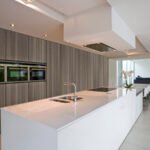 Shinnoki kitchen cabinets combine the natural beauty of real wood veneer with the consistency and convenience of modern manufacturing. This guide explores their unique features, advantages, design possibilities, and why they’re an excellent choice for homeowners seeking stylish, durable, and low-maintenance cabinetry.