James Hardie Siding vs. Other Siding Materials: Which Is the Better Choice?
Choosing new siding is one of the most significant exterior improvements a homeowner can make. The right material does more than refresh curb appeal—it protects your home from weather, improves energy efficiency, reduces maintenance, and contributes to long-term property value. With so many products available, however, deciding which siding best fits your home can feel overwhelming.
Among today’s most recognized premium options is James Hardie siding, a fiber cement product known for its durability and performance. But how does it compare to more traditional choices such as vinyl siding and engineered wood? Each material offers unique advantages, and understanding their differences is the best way to make a confident investment.
This comparison evaluates these three popular siding options based on durability, maintenance, appearance, weather resistance, and overall value.
Feature
James Hardie Siding
Vinyl Siding
Engineered Wood
Material
Fiber cement
PVC
Engineered wood
Typical Lifespan
Long
Moderate to long
Long
Maintenance
Low
Low
Moderate
Fire Resistance
Excellent
Limited
Moderate
Appearance
Premium
Good
Natural wood look
Option A: James Hardie Siding
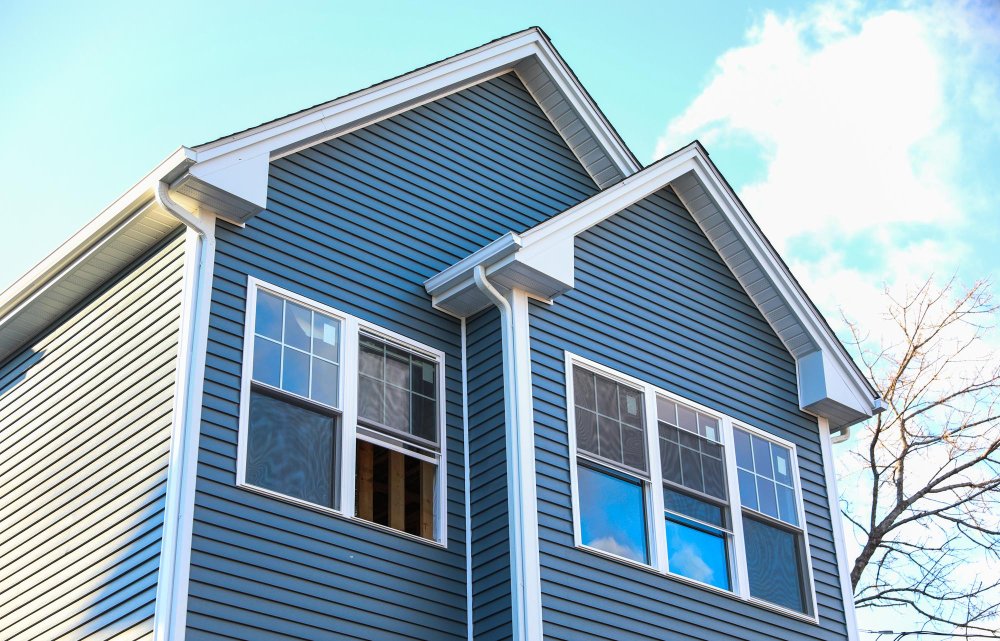
James Hardie siding has earned a strong reputation among homeowners and contractors because it combines the appearance of traditional wood siding with the durability of fiber cement. Manufactured from a blend of cement, sand, cellulose fibers, and other carefully engineered components, it is designed to withstand demanding weather conditions while maintaining its appearance for many years.
One of its greatest strengths is durability. Unlike many traditional exterior materials, fiber cement resists warping, cracking, moisture damage, termites, and other common issues that can shorten the lifespan of exterior cladding. These characteristics make it particularly attractive in regions that experience significant temperature changes, heavy rainfall, or prolonged sun exposure.
Another distinguishing feature is its excellent fire resistance. Because fiber cement is noncombustible, it provides an additional layer of protection that many homeowners appreciate, especially in areas where wildfire concerns influence exterior material selection.
James Hardie also offers an extensive range of architectural styles, textures, and colors. Whether the goal is a modern exterior, a farmhouse-inspired design, or a classic traditional home, the product line includes lap siding, vertical panels, shingles, and trim profiles that accommodate a wide variety of architectural preferences.
Many homeowners also choose products featuring ColorPlus® Technology, a factory-applied finish engineered to deliver long-lasting color consistency while reducing the frequency of repainting compared to traditional field-applied finishes.
Although the initial investment is generally higher than some competing materials, many homeowners view the additional cost as worthwhile because of the product’s long-term performance, premium appearance, and reduced maintenance requirements.
Pros
Exceptional long-term durability
Excellent resistance to moisture, pests, and harsh weather
Outstanding fire resistance
Wide variety of architectural styles and finishes
Premium curb appeal and strong resale value
Low maintenance with factory-finished color options
Cons
Higher upfront investment than many siding materials
Heavier product that requires professional installation
Installation generally takes longer than vinyl siding
For homeowners planning to remain in their homes for many years, James Hardie siding often represents a balance of beauty, durability, and long-term value that is difficult for many competing materials to match.
Option B: Vinyl Siding and Engineered Wood
While James Hardie siding is often viewed as a premium exterior solution, vinyl siding and engineered wood remain excellent alternatives depending on a homeowner’s priorities, budget, and architectural preferences. Each material offers a unique combination of performance, appearance, and maintenance requirements.
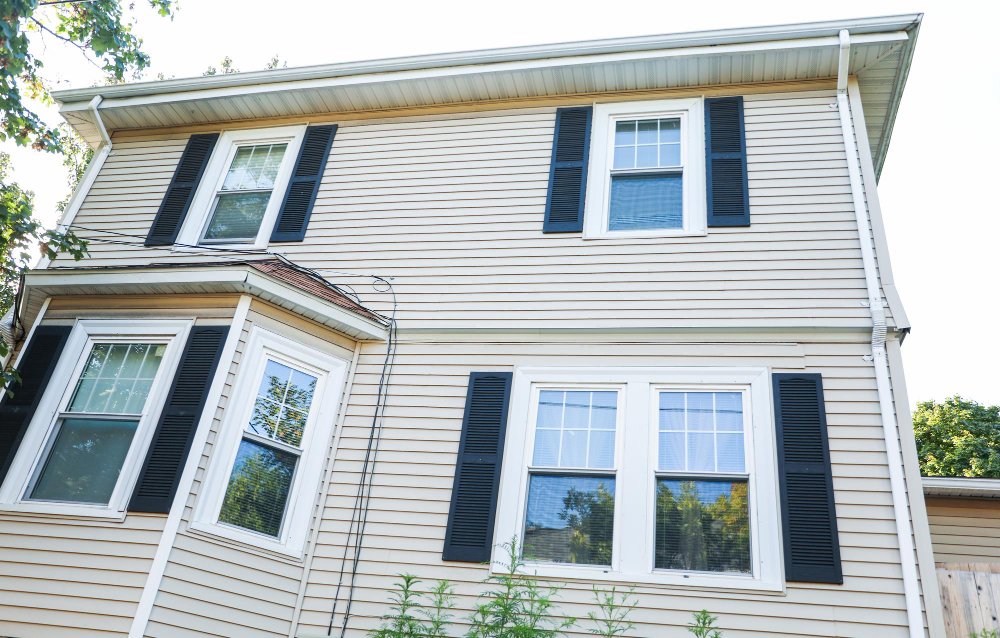
Vinyl siding continues to be one of the most widely installed exterior cladding materials because of its affordability and ease of maintenance. Modern manufacturing techniques have significantly expanded the variety of available colors, textures, and profiles, allowing homeowners to achieve attractive curb appeal at a relatively accessible price point.
Vinyl performs well in many climates and requires little more than occasional washing to maintain its appearance. However, compared to fiber cement, it is generally more susceptible to impact damage and may experience fading or distortion after prolonged exposure to extreme temperatures.
Pros of Vinyl Siding
Lower initial cost
Minimal maintenance requirements
Wide range of colors and profiles
Quick installation
Moisture-resistant surface
Cons of Vinyl Siding
Lower impact resistance than fiber cement
May fade after years of sun exposure
Less premium appearance than higher-end materials
Limited fire resistance
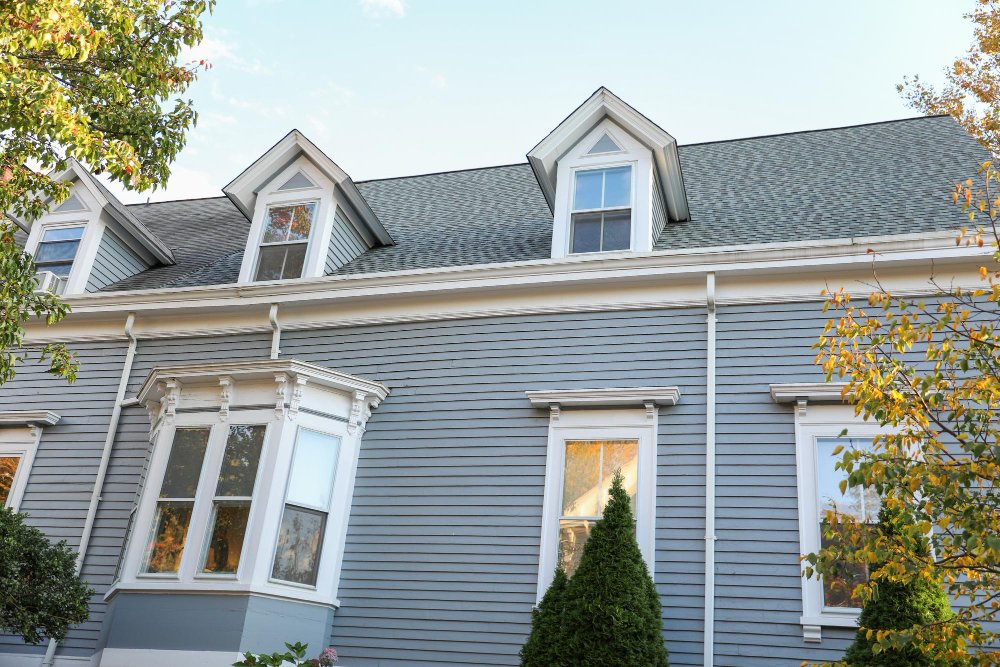
Engineered wood siding appeals to homeowners who appreciate the warmth and texture of natural wood while seeking improved performance over traditional wood products. Manufactured using treated wood fibers and engineered resins, it offers an authentic appearance with reduced susceptibility to many common wood-related issues.
Although engineered wood provides excellent visual appeal and is lighter than fiber cement, proper installation and moisture management remain essential for maximizing long-term durability.
Pros of Engineered Wood
Authentic wood appearance
Lighter weight than fiber cement
Strong structural performance
Available in numerous textures and finishes
Suitable for many architectural styles
Cons of Engineered Wood
Requires periodic maintenance depending on finish
Moisture management remains important
Typically offers less fire resistance than fiber cement
Shinnoki kitchen cabinets combine the natural beauty of real wood veneer with the consistency and convenience of modern manufacturing. This guide explores their unique features, advantages, design possibilities, and why they’re an excellent choice for homeowners seeking stylish, durable, and low-maintenance cabinetry.
Side-by-Side Comparison
Comparing siding materials side by side makes it easier to identify which option best matches your home’s needs and your long-term expectations.
Category
James Hardie
Vinyl
Engineered Wood
Durability
★★★★★
★★★☆☆
★★★★☆
Maintenance
★★★★☆
★★★★★
★★★☆☆
Curb Appeal
★★★★★
★★★☆☆
★★★★☆
Fire Resistance
★★★★★
★★☆☆☆
★★★☆☆
Moisture Resistance
★★★★★
★★★★☆
★★★☆☆
Long-Term Value
★★★★★
★★★☆☆
★★★★☆
Winner Highlights
Best Overall Durability: James Hardie Siding
Best Budget-Friendly Choice: Vinyl Siding
Best Natural Wood Appearance: Engineered Wood
Best Fire Resistance: James Hardie Siding
Best Long-Term Investment: James Hardie Siding
Choosing the Best Siding for Your Home
Every siding material has strengths, and the right choice depends on your priorities. If keeping upfront costs low is your primary concern, vinyl siding remains a practical and dependable option. If you love the appearance of wood and are comfortable with occasional maintenance, engineered wood offers a beautiful balance between aesthetics and performance.
However, homeowners who prioritize exceptional durability, resistance to moisture and fire, premium curb appeal, and long-term value often find that James Hardie siding delivers the strongest overall combination of benefits. While the initial investment is typically higher, many view it as a worthwhile upgrade because of its lasting performance and ability to protect and enhance the home for decades.
Ultimately, the best siding is the one that aligns with your climate, maintenance expectations, architectural style, and long-term ownership goals. Comparing materials carefully—and working with experienced installation professionals—will help ensure your investment continues delivering value long after the project is complete.

 Learn how kitchen remodeling in Careywood, ID improves functionality, storage, and long-term property value.
 Learn how modern kitchen renovations in Camden, WA transform daily living with smart design solutions.
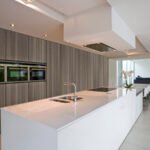 Shinnoki kitchen cabinets combine the natural beauty of real wood veneer with the consistency and convenience of modern manufacturing. This guide explores their unique features, advantages, design possibilities, and why they’re an excellent choice for homeowners seeking stylish, durable, and low-maintenance cabinetry.