
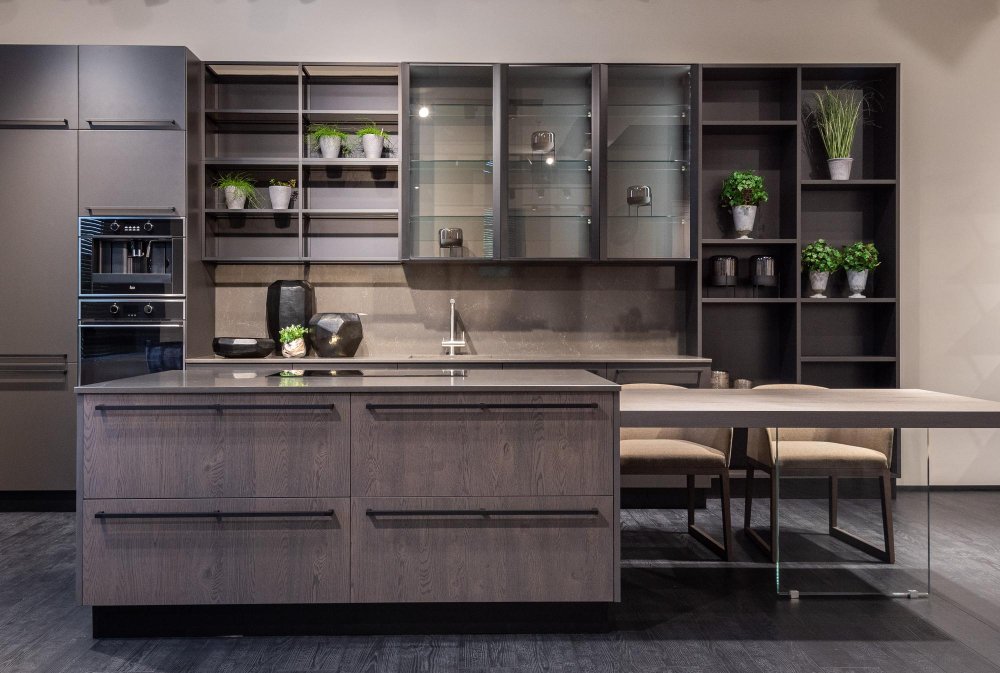
Step 1: Plan Your Space and Storage Needs
The success of any custom cabinet project begins with careful planning. Before selecting wood species or door styles, spend time evaluating how the room functions today and how you’d like it to function after the renovation. 1. Evaluate the Room Walk through the space and identify what’s working—and what isn’t. Are countertops cluttered? Do you struggle to reach everyday items? Are there awkward corners or unused wall areas that could become valuable storage? Thinking about your daily routine often reveals opportunities that standard cabinets simply can’t address. 2. Measure the Available Space Accurate measurements are essential because custom cabinets are built specifically for your room. Measure wall lengths, ceiling heights, window locations, door openings, plumbing, electrical outlets, and any architectural features that could affect cabinet placement. Professional designers will verify these measurements before production, but having accurate preliminary dimensions helps guide the planning process. 3. Identify Your Storage Priorities Every homeowner uses cabinetry differently. A family that cooks every evening needs different storage solutions than someone designing a home office or laundry room. Ask yourself questions such as:- Which items do I use every day?
- What currently creates clutter?
- Which storage areas are difficult to reach?
- Would pull-out organizers make daily tasks easier?
- Traditional or contemporary?
- Painted or natural wood finishes?
- Shaker, slab, inset, or raised-panel doors?
- Minimalist hardware or decorative pulls?
- ✓ Measure walls, ceilings, windows, and door openings.
- ✓ List your highest-priority storage needs.
- ✓ Establish a realistic remodeling budget.
- ✓ Collect inspiration photos that reflect your preferred style.
- ✓ Schedule a consultation with an experienced cabinet designer.
Tip
Design your custom cabinets around your daily routine—not just the room’s dimensions. Features like pull-out pantry shelves, deep drawers for cookware, built-in recycling bins, and charging stations often provide more long-term value than purely decorative upgrades.
Step 2: Choose Materials, Layout, and Features
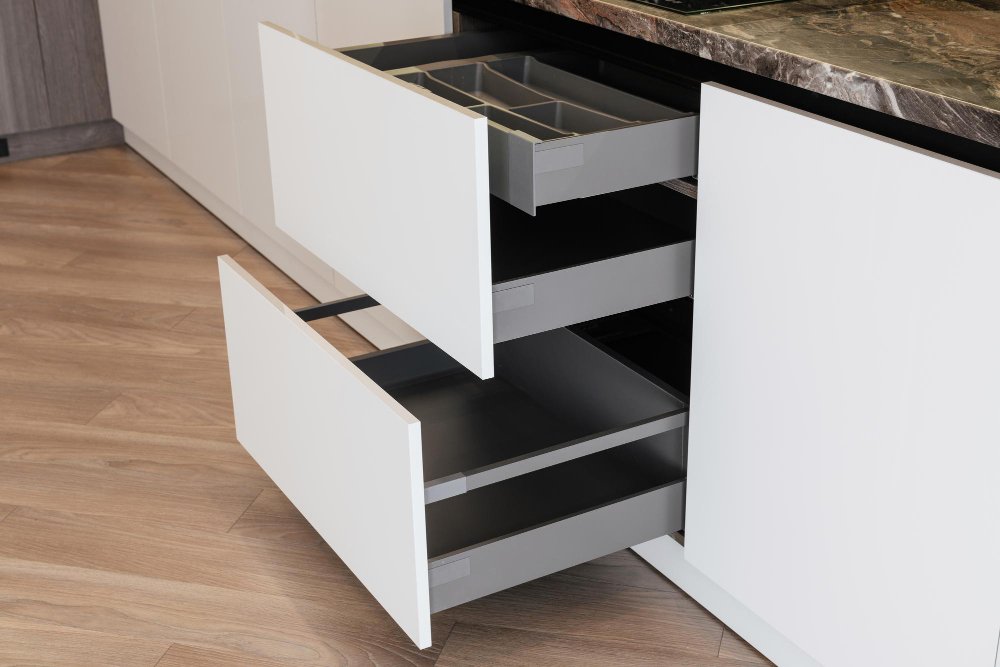
Once the planning stage is complete, it’s time to begin transforming ideas into detailed cabinet designs. This is where you’ll decide how the cabinets are built, which materials they’ll use, and which features will make everyday life easier. 1. Select the Cabinet Construction Construction quality plays a major role in both durability and performance. High-quality custom cabinets typically feature solid joinery, durable drawer boxes, premium hardware, and carefully engineered cabinet boxes designed to withstand years of daily use. 2. Choose the Right Wood Species Different wood species offer unique colors, grain patterns, and durability characteristics. Popular options include maple, oak, cherry, walnut, alder, and birch, while painted cabinetry often uses hardwood or engineered materials that provide a smooth, consistent finish. The wood you choose should complement the overall style of your home while meeting your expectations for appearance and maintenance. 3. Select the Door Style and Finish The door style has one of the biggest influences on the overall appearance of your cabinetry. Shaker doors remain a timeless favorite because they work well with both traditional and contemporary interiors, while slab doors create a clean, modern aesthetic. Raised-panel and inset doors often complement more classic or transitional homes. Next, choose a finish that reflects your design vision. Painted cabinets create a bright, polished look, while stained wood highlights the natural beauty of the grain. Matte, satin, and high-gloss finishes each produce a different visual effect and require different levels of maintenance. 4. Choose Hardware and Interior Accessories Cabinet hardware is more than a decorative detail—it affects how your cabinetry functions every day. Soft-close hinges and drawer slides improve durability while reducing noise, and thoughtfully selected handles or knobs complete the overall design. Don’t overlook interior accessories, either. These custom features often provide the biggest improvements in everyday convenience. Popular options include:- Pull-out pantry shelves.
- Deep drawers for pots and pans.
- Built-in spice organizers.
- Roll-out trash and recycling bins.
- Tray dividers and baking sheet storage.
- Charging drawers for small electronics.
- Corner cabinet organizers.
Warning
Avoid choosing cabinet styles based only on current trends. Quality construction, practical storage, and timeless finishes usually provide better long-term value than designs that may quickly go out of style.
Step 3: Installation and Long-Term Care
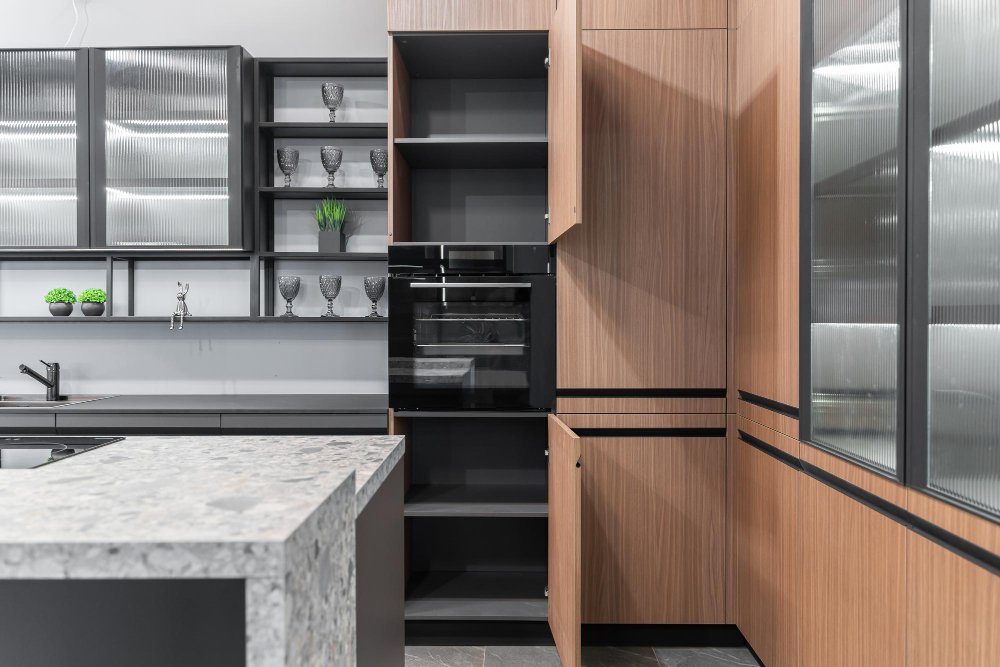
Even the finest custom cabinets depend on proper installation. Accurate leveling, secure fastening, and careful alignment ensure doors and drawers operate smoothly while maintaining consistent reveals throughout the room. 1. Professional Installation Experienced installers verify that cabinet boxes are level, plumb, and properly anchored before making final adjustments. They also align doors, drawers, and hardware to create a clean, seamless appearance. 2. Final Inspection Before considering the project complete, inspect every cabinet carefully. Open each drawer, test every hinge, and confirm that soft-close mechanisms function correctly. Small adjustments at this stage help ensure years of reliable performance. 3. Protect the Finish Clean cabinet surfaces with products recommended by the manufacturer. Avoid harsh chemicals or abrasive scrubbers that could damage painted finishes or protective coatings. Promptly wipe away spills—especially around sinks and dishwashers—to help protect the cabinetry from unnecessary moisture exposure. 4. Follow the Warranty and Maintenance Guidelines Review the manufacturer’s care instructions and warranty documentation before using the cabinetry. Understanding recommended cleaning methods and maintenance practices can help preserve both appearance and warranty coverage. Installation & Maintenance Checklist- ✓ Verify all cabinets are level and securely installed.
- ✓ Test every drawer, hinge, and soft-close feature.
- ✓ Review cleaning and maintenance recommendations.
- ✓ Keep cabinet interiors dry and well ventilated.
- ✓ Schedule periodic inspections for hardware adjustments if needed.
Read More in Budget Kitchen Essentials Blog
- Kitchen Remodel Contractor Near You in Careywood, ID
 Learn how kitchen remodeling in Careywood, ID improves functionality, storage, and long-term property value.
 - Complete Kitchen Upgrade in Camden, WA: Create Your Dream Kitchen
 Learn how modern kitchen renovations in Camden, WA transform daily living with smart design solutions.
 - Shinnoki Kitchen Cabinets: Why Homeowners Love Their Natural Wood Look
 Shinnoki kitchen cabinets combine the natural beauty of real wood veneer with the consistency and convenience of modern manufacturing. This guide explores their unique features, advantages, design possibilities, and why they’re an excellent choice for homeowners seeking stylish, durable, and low-maintenance cabinetry.